Viral
¡Revelado! El peligro oculto de los edemas: Retención de líquidos al descubierto
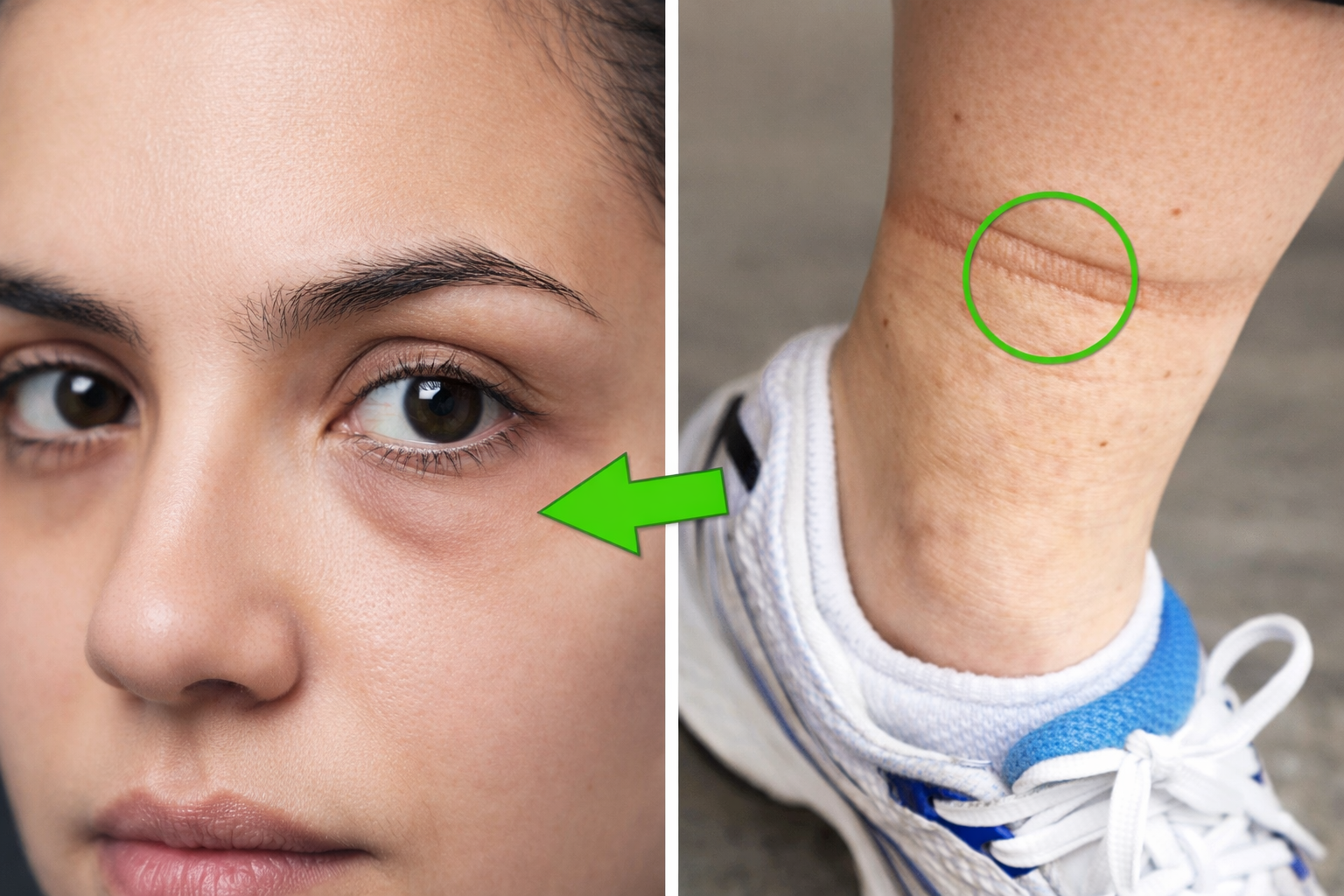
It is important not to ignore warning signs such as sudden swelling, edema in only one part of the body, generalized edema, severe pain, fever, or redness of the affected area. These symptoms may indicate the presence of an underlying health problem that requires medical attention.
Tips, foods, and exercises for fluid retention
Regardless of the cause of fluid retention, there are lifestyle changes, exercises, and dietary choices that can help improve circulation and reduce fluid retention in the legs.
One important tip is to avoid prolonged standing or sitting. If it’s unavoidable, try to flex and extend your calves periodically to activate the muscular pump and enhance blood flow. Avoid sitting with crossed legs, as this can compress the veins; instead, elevate your legs whenever possible to promote postural drainage.
Tight clothing, especially around the waist and groin area, should be avoided as it can hinder venous return by compressing the veins. Excessive sodium consumption, often found in processed and canned foods, should also be reduced. Instead of salt, try using other seasonings such as mustard powder, turmeric, pepper, or oregano to flavor your meals.
Contrary to common belief, reducing water intake does not cure fluid retention and can even worsen the condition. It is important to stay hydrated, as water helps eliminate excess salt and prevents dehydration. The amount of water you should drink depends on the underlying health problem causing the fluid retention.
Engaging in physical activity and maintaining an active lifestyle is crucial for improving circulation. Walking daily, losing weight (if necessary), and doing exercises that promote overall health and cardiovascular function can help alleviate fluid retention.