Viral
¡Revelado! El peligro oculto de los edemas: Retención de líquidos al descubierto
Swollen legs and feet
If you have never experienced leg swelling before and suddenly, from one day to the next, one or both legs swell, you should be cautious and consider the possibility of thrombosis or an infection. This is especially true if the swelling is accompanied by local pain.
If you have had leg swelling for a long time, it may be due to varicose veins or venous insufficiency. These conditions occur when the valves inside the veins of the legs do not work properly, leading to blood stagnation and fluid retention. While the dilated veins may not always be visible, other symptoms such as heavy legs, calf pain, and the ability to leave marks on the skin when squeezed may indicate the presence of varicose veins or venous insufficiency.
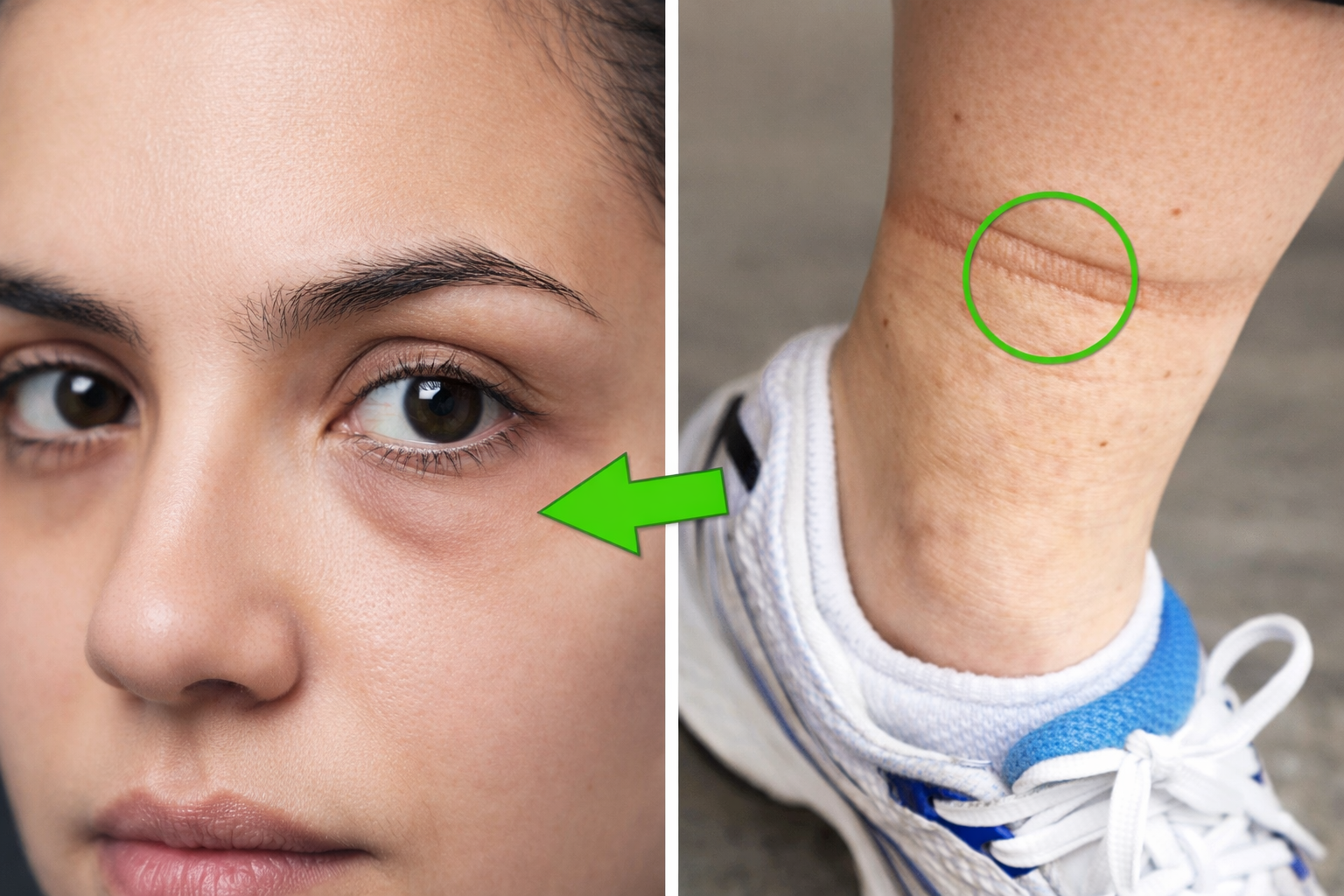
Fluid retention in the legs can also be a result of kidney failure or protein loss in the urine. In these cases, swelling may also occur in the face, especially the eyelids, upon waking up. Edema is generalized, and localized symptoms may also be present.
Heart problems can also cause generalized edema, with swelling occurring not only in the legs and feet but also in other areas of the body. Symptoms may worsen throughout the day, particularly in the evening and at bedtime, and shortness of breath may be experienced. Sleeping with multiple pillows becomes necessary to alleviate discomfort.
Chronic liver problems can lead to fluid retention, often manifesting as swelling in the legs and an increase in belly size due to ascites, the accumulation of fluid in the abdominal cavity between the viscera.